Source biodegradable reusable tea bags for Tea, Food, and Household
Compare 30 listings for biodegradable reusable tea bags from Hebei, China. Buyers can review specifications like mesh material, heat sealing processes, and customization options for tea, food, and household applications.
Key considerations
Products List
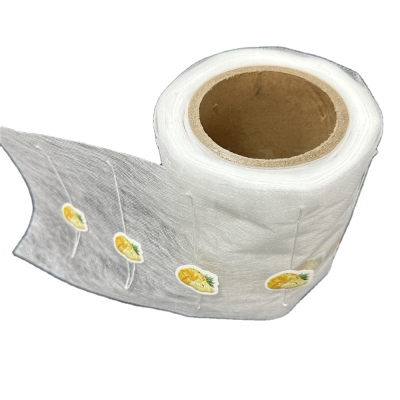
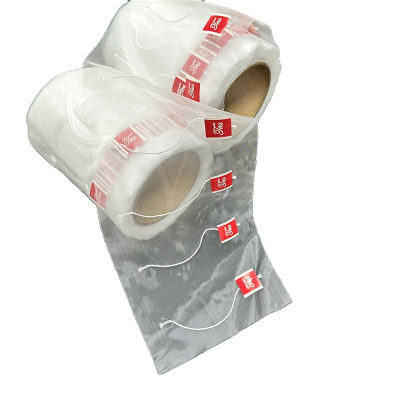
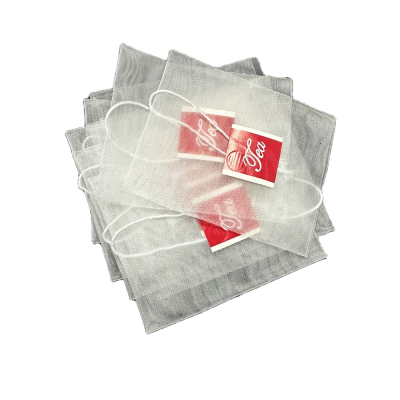
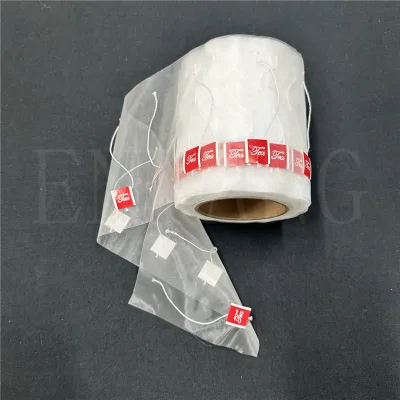




Comprehensive Sourcing Guide
Strategic Sourcing Guide for Biodegradable Reusable Tea Bags
Navigating the global market for sustainable packaging requires a disciplined approach, particularly when sourcing biodegradable reusable tea bags. The intersection of environmental compliance, material integrity, and functional performance defines a successful procurement strategy. Buyers must distinguish between products that merely claim sustainability and those that possess verified structural and chemical properties. This guide synthesizes available product attributes and industry standards to provide a framework for evaluating suppliers and specifications without relying on unverified external claims.
Technical Specifications and Material Composition
The foundation of any tea bag procurement lies in the precise definition of material composition and physical dimensions. In the current market, the primary raw materials observed for biodegradable options include mesh structures and various grades of paper, specifically Kraft paper. These materials are often engineered to meet specific industrial uses, primarily within the tea and food sectors. A critical observation in the supply chain is the variation in material structure; some products utilize a composite packaging bag approach involving layers such as Kraft Paper, PET, Aluminum, and PE. However, for strictly biodegradable applications, the presence of non-biodegradable layers like PE or Aluminum requires careful verification against the buyer's sustainability goals.
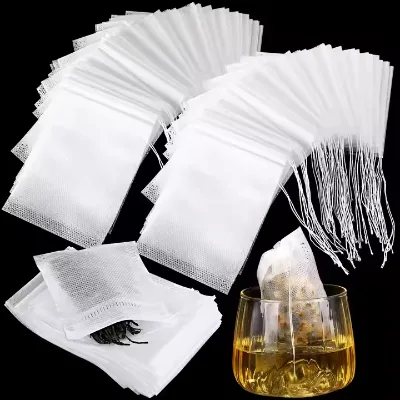
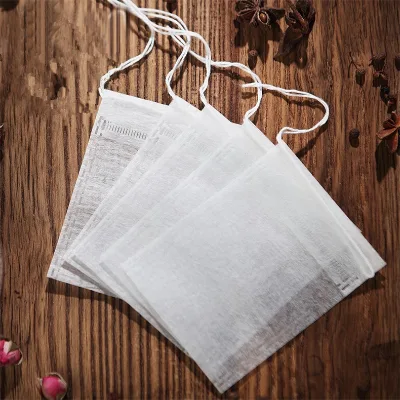
Dimensions and physical attributes are equally critical. Standard specifications for these products often include string lengths of 130mm or 170mm, ensuring compatibility with standard brewing vessels. The shape is typically defined as a seal bag or back seal bag, designed to maximize surface area for tea leaf expansion while maintaining structural integrity during steeping. The weight limit for these bags is generally observed to be under 5 kg, though this is a theoretical maximum for the material class rather than a functional requirement for tea. The hardness of the material is noted as partial hard, which suggests a balance between flexibility for filling and rigidity for handling. Color options are predominantly white, which serves as a neutral canvas for branding but also indicates the absence of heavy dyes that could leach into hot water.
| Attribute | Observed Specification | Procurement Consideration |
|---|---|---|
| Raw Material | Mesh, Kraft Paper | Verify if composite layers (PET/Al) are present for biodegradability. |
| String Length | 130mm / 170mm | Ensure compatibility with existing brewing equipment. |
| Shape | Seal Bag, Back Seal | Confirm sealing method (heat sealing) aligns with filling machinery. |
| Surface Finish | Matte | Check for gloss coatings that may affect compostability. |
| Weight Limit | < 5 kg | Verify actual load capacity for specific tea blends. |
Compliance and Certification Verification
When sourcing biodegradable products, the distinction between marketing claims and certified compliance is paramount. While background knowledge often references standards such as EN13432 or ASTM D6400, these specific standards must not be assumed to apply unless explicitly stated in the supplier's documentation. Buyers must treat the "Bio-Degradable" and "100% Biodegradable" attributes as observations that require validation. The presence of a machinery test report is a positive indicator of quality assurance, suggesting that the production equipment has been validated for specific output standards.
The standard for the product is often listed as "Customizedd" or "Can choose," which implies that the supplier may not adhere to a single universal standard but rather tailors the product to specific regional or client requirements. This variability necessitates a rigorous verification process where the buyer requests specific test data for the batch in question. If the product claims to be recyclable or moisture-proof, these attributes must be backed by independent laboratory results. The absence of a specific standard number in the product listing does not preclude compliance, but it shifts the burden of proof to the supplier to provide evidence of their adherence to relevant environmental regulations. Buyers should explicitly request documentation confirming that the product meets the biodegradability criteria of the destination market, whether that be industrial composting standards or home composting certifications.
Cost Drivers and Economic Factors
The economics of sourcing biodegradable tea bags are influenced by a complex array of variables, including raw material costs, customization levels, and order volume. The observed minimum order quantity (MOQ) ranges significantly, from as low as 6 units to as high as 50,000 units, with specific listings showing an MOQ of 6,000 units. This wide range suggests that suppliers offer tiered pricing structures, where larger volumes yield significant cost reductions. The price range observed in the market spans from $0.01 to $8.20, a disparity that likely reflects differences in material quality, packaging density, and the extent of customization.
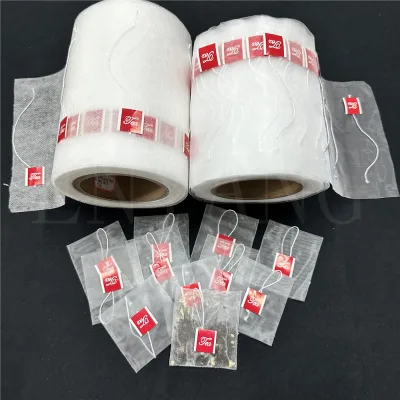
Customization is a primary cost driver. Options for customizing length, width, and logo printing are widely available, and these services often incur additional setup fees or higher per-unit costs. The packaging method also impacts the final price; products shipped in rolls (e.g., 1,000 meters per roll, 4 rolls per carton) may have different logistics costs compared to those packed in individual carton boxes or paper boxes. The production process, specifically heat sealing, adds a layer of technical complexity that can influence the base cost. Furthermore, the lead time, observed to be between 5 to 9 working days, suggests a relatively agile supply chain, but this can fluctuate based on raw material availability and order complexity. Buyers should factor in the total landed cost, including shipping and potential tariffs, rather than focusing solely on the unit price.
Typical Applications and Industrial Use
The versatility of biodegradable reusable tea bags extends beyond simple tea preparation. The documented industrial uses include food, apparel, chemical, household, and promotion sectors. This broad applicability indicates that the product design is robust enough to handle various contents, though the primary application remains the food industry, specifically for tea. The "Food" application tag confirms that the materials are suitable for direct contact with consumables, provided they meet the necessary safety standards.
In promotional contexts, the ability to print logos and customize dimensions makes these bags attractive for branding campaigns. The "With Handle" and "With Logo Printing" attributes highlight their utility in retail and gift packaging scenarios. However, buyers must ensure that the "Moisture Proof" feature does not compromise the biodegradability of the product. A bag that is too moisture-proof may resist decomposition in a composting environment. The usage categories also include shopping and household items, suggesting that the material strength is sufficient for general packaging needs. When selecting a product for a specific application, the buyer must align the bag's physical properties, such as hardness and weight limit, with the intended use case to prevent failure during the product's lifecycle.
Supplier Evaluation and Production Capabilities
Evaluating a supplier requires a deep dive into their production capabilities and quality assurance processes. The origin of the products is consistently noted as Hebei, China, a region known for its manufacturing infrastructure. The presence of a machinery test report is a critical differentiator, indicating that the supplier invests in equipment validation. The warranty period of 1.5 years suggests a confidence in the durability and performance of the product, although this warranty likely covers manufacturing defects rather than performance degradation over time.
The production process relies heavily on heat sealing, a technique that ensures a secure closure for the tea bag. Suppliers offering OEM support and customization options for length, width, and logo are preferable for buyers seeking unique branding. The design capabilities, supporting formats like Ai, CDR, and Pdf, indicate a mature workflow for handling client artwork. However, the "Customizedd" standard status implies that buyers must be proactive in defining their requirements, as the supplier may not have a default standard that fits all needs. Buyers should request samples to verify the "Partial Hard" texture and the "Matte" surface finish, ensuring they match the desired aesthetic and functional profile.
Quality Control and Long-Term Procurement
Implementing a robust quality control (QC) regime is essential for maintaining consistency in biodegradable product sourcing. The "Machinery Test Report" provided by suppliers serves as a baseline, but ongoing QC should include regular sampling for material integrity, seal strength, and biodegradability verification. The "Weight Limit" of under 5 kg provides a benchmark for stress testing, ensuring the bags do not tear under the weight of the tea leaves and water.
For long-term procurement, the relationship with the supplier must be built on transparency regarding material composition. The variation in raw materials, from mesh to Kraft paper, requires clear communication to ensure the final product meets the buyer's sustainability targets. The "Recyclable" and "Bio-Degradable" features must be maintained consistently across production batches. Buyers should establish a protocol for verifying the "Standard Export Ca" packaging to prevent damage during transit. Additionally, the lead time of 5-9 working days allows for a responsive supply chain, but buyers should maintain safety stock to mitigate potential disruptions. By focusing on verified attributes and maintaining a rigorous QC process, buyers can secure a reliable supply of high-quality biodegradable tea bags that align with their environmental and operational goals.
FAQs
What materials are used for biodegradable reusable tea bags?
The primary raw materials observed are mesh structures and Kraft paper. Some products utilize a composite structure involving Kraft paper, PET, Aluminum, and PE layers, which requires verification against strict biodegradability goals.
How long is the standard string length for these tea bags?
Standard string lengths are typically 130mm or 170mm to ensure compatibility with brewing vessels. These dimensions are designed to maximize surface area for tea leaf expansion while maintaining structural integrity during steeping.
Can buyers customize the length, width, and logo on the bags?
Yes, customization for length, width, and logo printing is available for most products. Suppliers support OEM requests and design formats like Ai, CDR, and Pdf to meet specific branding requirements.
What is the typical lead time for production and delivery?
The observed lead time ranges from 5 to 9 working days for production. This timeline allows for agile supply chain management but may fluctuate based on raw material availability and order complexity.
Which minimum order quantity applies to these biodegradable bags?
Minimum order quantities vary significantly, ranging from 6 units up to 50,000 units. Specific listings often show an MOQ of 6,000 units, suggesting tiered pricing structures for different volume levels.
Where are these biodegradable reusable tea bags manufactured?
The products originate from Hebei, China, a region known for its manufacturing infrastructure. This location is consistent across the high-confidence facts provided for the product listings.